Abu Dhabi, United Arab Emirates

-
Our Location
-
Inquiries & Support
-
Connect
Contrary to popular belief, Lorem Ipsum is not simply random text. It has roots in a piece of classical Latin literature from 45 BC, making it over 2000 years old.
Abu Dhabi, United Arab Emirates
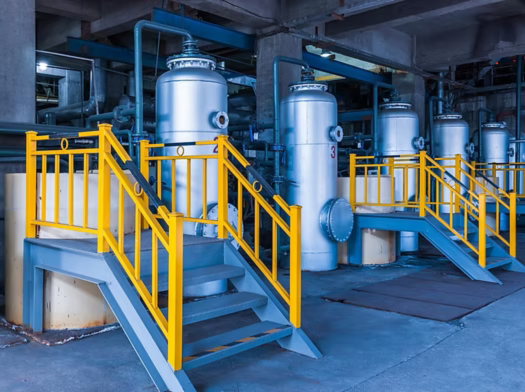
Filter Pressure Vessel is essential in the water desalination and treatment industries, designed to withstand high pressures while efficiently filtering water. It removes impurities and contaminants, making water suitable for drinking, industrial use, and irrigation. In desalination, it protects reverse osmosis (RO) membranes by removing harmful particles during pretreatment. Made from durable materials like stainless steel or composites, these vessels house filtration media like activated carbon or sand to trap impurities. Equipped with safety features such as pressure gauges and relief valves, they ensure safe operation. Filter pressure vessels are key to providing clean, potable water in regions facing water scarcity.
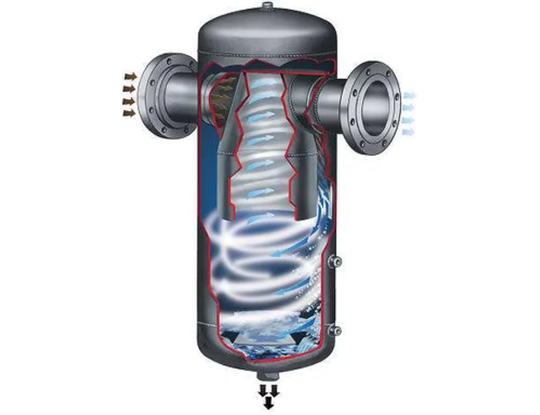
Steam Water Separator Pressure Vessel is vital component in steam generation and power plants, designed to separate water droplets from steam to ensure high-quality, dry steam for turbines and other equipment. It works under high-pressure conditions to remove moisture and prevent damage to downstream systems. Made from robust materials like carbon steel or stainless steel, the vessel is equipped with advanced separation technology, such as cyclonic separators or mesh filters, to effectively extract water from steam. It also includes safety features like pressure gauges and relief valves to ensure safe and efficient operation. This pressure vessel plays a critical role in maintaining the efficiency of steam systems, ensuring smooth operations in industries such as power generation, chemical processing, and oil refining.
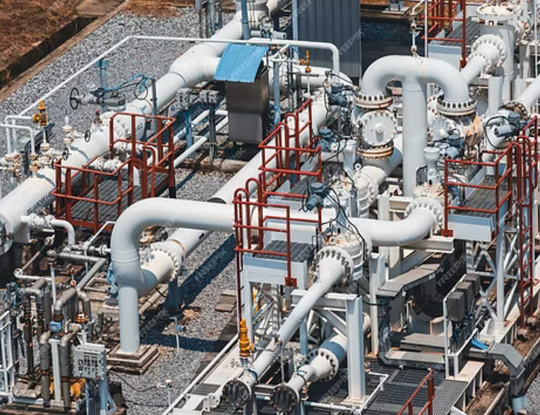
Pressure Pipe Work for the chemical and oil & gas (O&G) industries are critical systems designed to transport fluids under high pressure, ensuring the safe and efficient movement of chemicals, gases, and liquids throughout various processes. These piping systems are engineered to handle the demanding environments of these industries, where corrosive substances, extreme temperatures, and high pressures are common. Typically made from materials like stainless steel, carbon steel, or specialized alloys, these pipes are built to withstand corrosion, abrasion, and the harsh conditions found in chemical plants, refineries, and oil fields. The pipe works include fittings, valves, and pressure-relief devices that ensure secure and controlled fluid flow, while meeting safety and regulatory standards. Pressure pipe works are essential for the safe and efficient transportation of critical substances, reducing the risk of leaks or accidents in complex industrial operations.
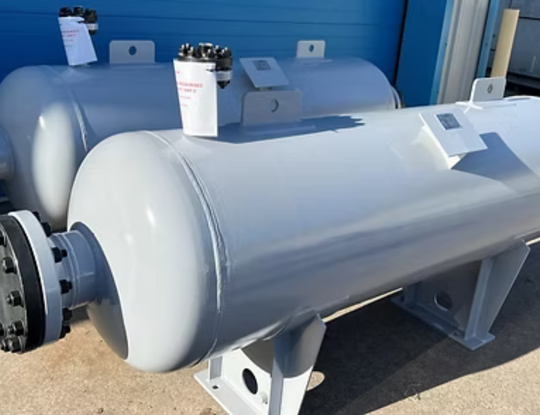
Compressed Air Vessel is crucial component in systems that store and manage compressed air for industrial applications. Designed to safely contain air under high pressure, it ensures a steady supply of air for operations such as pneumatic tools, equipment, and processes in various industries including manufacturing, automotive, and chemical processing. Made from high-strength materials like carbon steel or stainless steel, the vessel is engineered to withstand intense internal pressures. It typically features an air inlet, outlet, and a pressure relief valve to regulate air pressure and prevent over-pressurization. Additionally, these vessels often include moisture separators to remove water from compressed air, ensuring optimal system performance. Compressed air vessels are key to maintaining the efficiency and reliability of pneumatic systems, providing a consistent air source while ensuring safety in industrial environments.
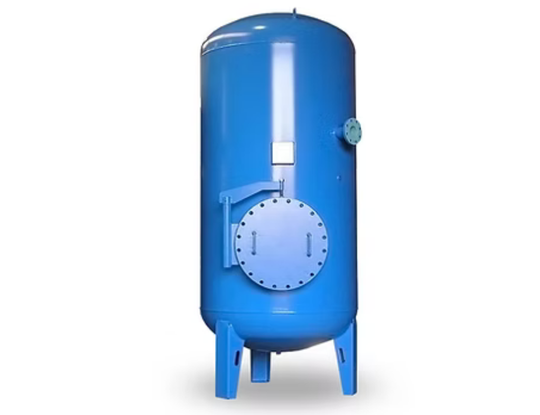
Nitrogen Storage Vessel is designed to safely store nitrogen gas, typically in its liquid form, at cryogenic temperatures or under high pressure. These vessels are used in industries such as pharmaceuticals, food processing, electronics manufacturing, and metallurgy, where nitrogen is required for various applications like cooling, purging, and inerting. Constructed from materials such as stainless steel or aluminum, these vessels are built to withstand extreme temperatures and pressures. They are equipped with insulation to maintain the low temperature of liquid nitrogen and features such as pressure relief valves, level indicators, and safety vents to ensure safe operation. Nitrogen storage vessels ensure a reliable and consistent supply of nitrogen, enabling efficient industrial operations while minimizing the risks associated with handling cryogenic materials.
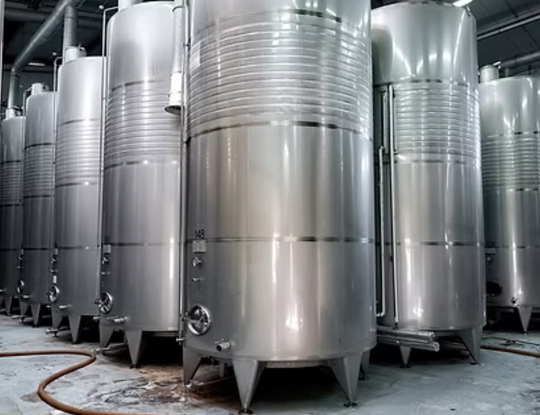
BPV (Blowoff Pressure Vessel) Spare Parts refer to essential replacement components designed to support the safe and efficient operation of pressure control systems used across industrial applications. Blowoff Pressure Vessels help manage pressure fluctuations, vent excess pressure, and maintain overall system stability in industries such as oil & gas, petrochemical, power generation, and heavy manufacturing.
High-quality BPV spare parts ensure system reliability, minimize downtime, and extend the operational life of the vessel and connected equipment. These components are engineered to withstand harsh operating conditions, high temperatures, and corrosive environments.
Key BPV Spare Parts Include:
• Pressure Relief Valves: Release excess pressure to prevent over-pressurization and ensure operational safety.
• Seals and Gaskets: Provide leak-proof performance and maintain airtight connections.
• Vessel Linings: Protect the internal surfaces from corrosion, abrasion, and chemical damage.
• Control Systems: Sensors and instrumentation for monitoring pressure levels and automating safety functions.
• Pipes and Fittings: Essential for directing, connecting, and regulating flow within the system.
Using reliable and certified BPV spare parts guarantees smooth performance, reduces maintenance costs, and enhances safety in critical pressure vessel operations.
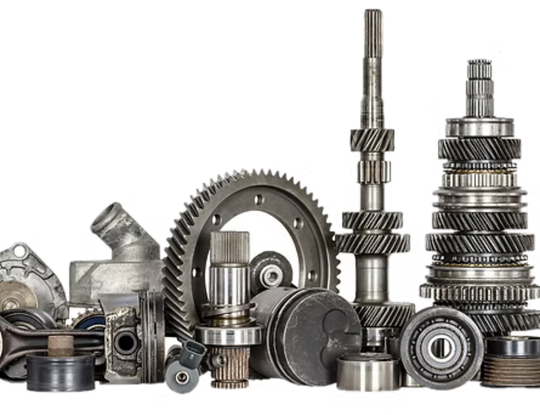
High Pressure Boiler Parts Manufacturing involves producing critical components designed to withstand extreme temperatures, high pressure, and continuous heavy-duty operation. These components are essential for the safe and efficient functioning of steam boilers used in power plants, chemical industries, oil & gas facilities, and large-scale manufacturing.
Precision engineering, quality materials, and rigorous testing ensure that these parts deliver long-term durability, optimal performance, and operational safety in demanding environments.
Key Components Manufactured:
• Boiler Tubes: High-strength tubes used for heat exchange and steam generation under intense thermal stress.
• Pressure Vessels: Heavy-duty vessels designed to safely contain and manage steam and water pressure.
• Burners: Efficient combustion units controlling fuel burning for maximum heat output.
• Blowers & Fans: Provide essential air circulation for stable combustion and heat distribution.
• Safety Valves: Critical protective devices that prevent boiler over-pressurization.
• Heat Exchangers: High-efficiency systems that transfer heat between fluids and improve boiler performance.
• Control Systems: Advanced monitoring instruments for regulating temperature, pressure, water levels, and overall boiler operations.
High-quality manufacturing standards ensure reliability, reduce downtime, and support safe and continuous operation in high-pressure boiler systems.
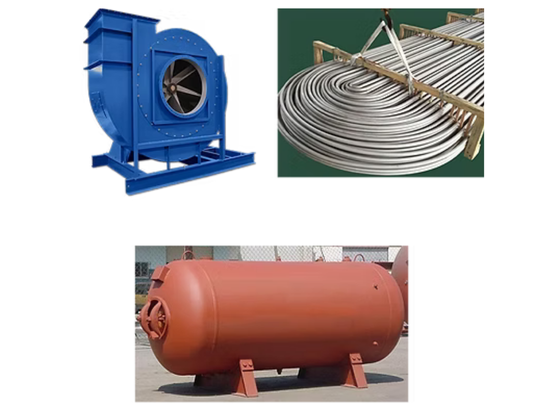
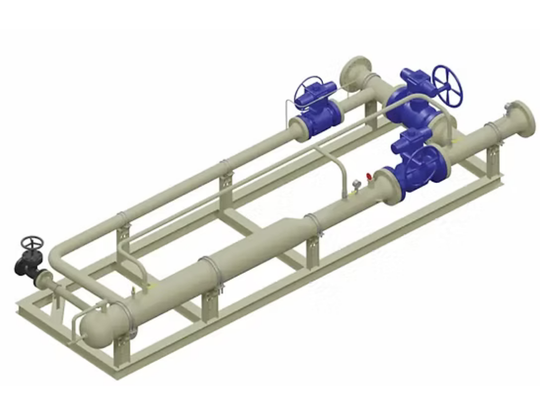
Pig Launcher Skids are essential systems used in the oil and gas industry for launching pipeline inspection gauges (PIGs) that perform cleaning, maintenance, debris removal, and inspection tasks within pipelines. Built on a compact, robust structural frame, these skids are engineered to withstand high pressure, corrosive environments, and demanding field conditions.
Pig Launcher Skids ensure smooth and safe PIG launching and receiving operations, helping maintain pipeline integrity, improve flow efficiency, and prevent costly blockages or downtime in transportation systems.
Key Components Include:
• Pig Launcher: Loads and propels the PIG into the pipeline for cleaning or inspection.
• Pressure Relief Valves: Prevent over-pressurization during launch operations.
• Bypass & Isolation Valves: Control fluid flow and allow safe isolation of the launcher.
• Launch Chamber: Houses the PIG securely before initiation.
• Hydraulic Systems: Provide controlled movement and operational precision.
• Pig Trap: Retrieves the PIG safely after completing pipeline travel.
These skids are critical for ensuring safe, efficient, and continuous pipeline operation, supporting long-term reliability in oil and gas transportation networks.
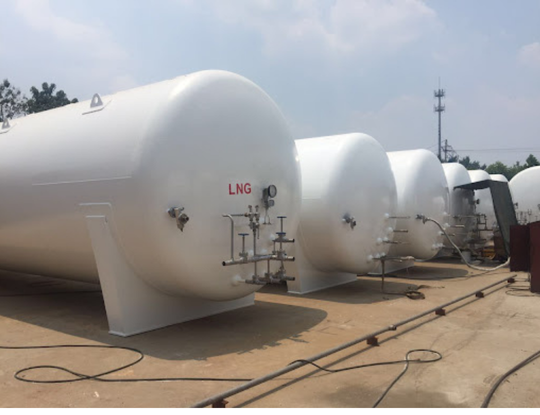
A Cryogenic Vessel is a specialized storage container designed to store and transport gases at extremely low temperatures, typically below -150°C. These vessels are critical for industries dealing with liquefied natural gas (LNG), industrial gases, medical gases, biotechnology, food processing, and aerospace applications.
Engineered to preserve the low-temperature state of liquefied gases, cryogenic vessels ensure safety, reliability, and thermal efficiency even in harsh operating environments. Their advanced construction prevents heat transfer and minimizes product loss due to evaporation.
Key Features Include:
- Superior Insulation: Vacuum-insulated or multi-layer insulation systems minimize heat leakage and maintain ultra-low temperatures.
- Durable Materials: Built using stainless steel or aluminum alloys designed to withstand cryogenic conditions and thermal stress.
- Pressure Relief Valves: Essential for preventing over-pressurization as gases warm and expand.
- Safety Components: Equipped with level gauges, venting systems, safety valves, and monitoring instruments to ensure safe operation.
Cryogenic vessels offer safe, efficient, and long-lasting storage solutions for ultra-low-temperature gases, supporting critical operations across multiple industries while minimizing safety risks.
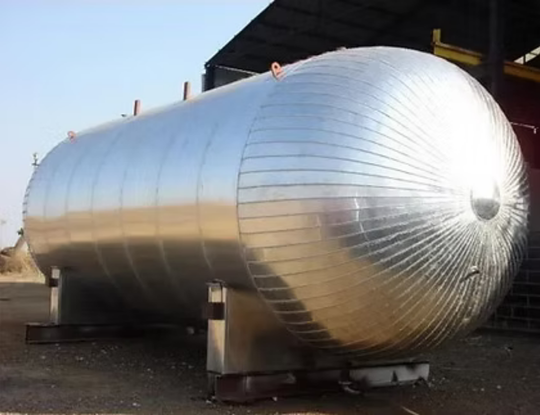
A CO₂ Storage Vessel is designed to safely store carbon dioxide in liquid or supercritical form under high-pressure conditions. These vessels are widely used across various industries, including food and beverage, oil and gas, chemical manufacturing, fire suppression systems, and carbon capture and storage (CCS) operations.
Engineered for durability and reliability, CO₂ storage vessels maintain stable pressure and temperature conditions to ensure safe handling and product integrity. Their robust construction and advanced safety mechanisms make them essential for both industrial processes and environmental applications.
Key Features Include:
• High Pressure Resistance: Designed to withstand the elevated pressures required for CO₂ storage.
• Corrosion-Resistant Materials: Built using stainless steel or other compatible alloys to prevent chemical degradation.
• Effective Insulation: Minimizes temperature fluctuations that may affect CO₂ stability.
• Safety Systems: Equipped with pressure relief valves, level indicators, and vent lines for safe operation.
• Temperature Control: Some vessels feature temperature regulation systems to maintain optimal storage conditions.
CO₂ storage vessels play a vital role in safely storing and transporting carbon dioxide, supporting a wide range of industrial applications and contributing to carbon emission management and sustainability efforts.
Hydrogen Discharge Vessels are engineered to safely store and release hydrogen gas, making them essential components in clean and green energy systems. These vessels are designed for high-pressure hydrogen applications and are widely used in hydrogen fuel cell technology, renewable energy storage, and various industrial processes.
Built to handle the unique properties of hydrogen, these vessels ensure efficient containment, thermal stability, and controlled gas discharge. Their advanced construction supports the growing global demand for sustainable energy and zero-emission solutions.
Key Features Include:
• High-Pressure Storage: Capable of withstanding pressures up to 700 bar for compressed hydrogen applications.
• Durable Materials: Manufactured using lightweight composite materials or high-grade stainless steel to withstand hydrogen embrittlement and ensure long-term safety.
• Safety Mechanisms: Equipped with pressure relief valves, rupture discs, and safety interlocks to prevent hazards during storage and discharge.
• Temperature Control: Maintains suitable conditions for hydrogen, including cryogenic temperatures when handling liquid hydrogen.
• Efficient Discharge System: Ensures controlled and stable release of hydrogen for fuel cells, energy systems, and industrial applications.
Hydrogen Discharge Vessels play a vital role in supporting clean energy technologies, enabling hydrogen-powered fuel cell vehicles, renewable energy storage solutions, and reducing overall carbon footprints in modern industries.